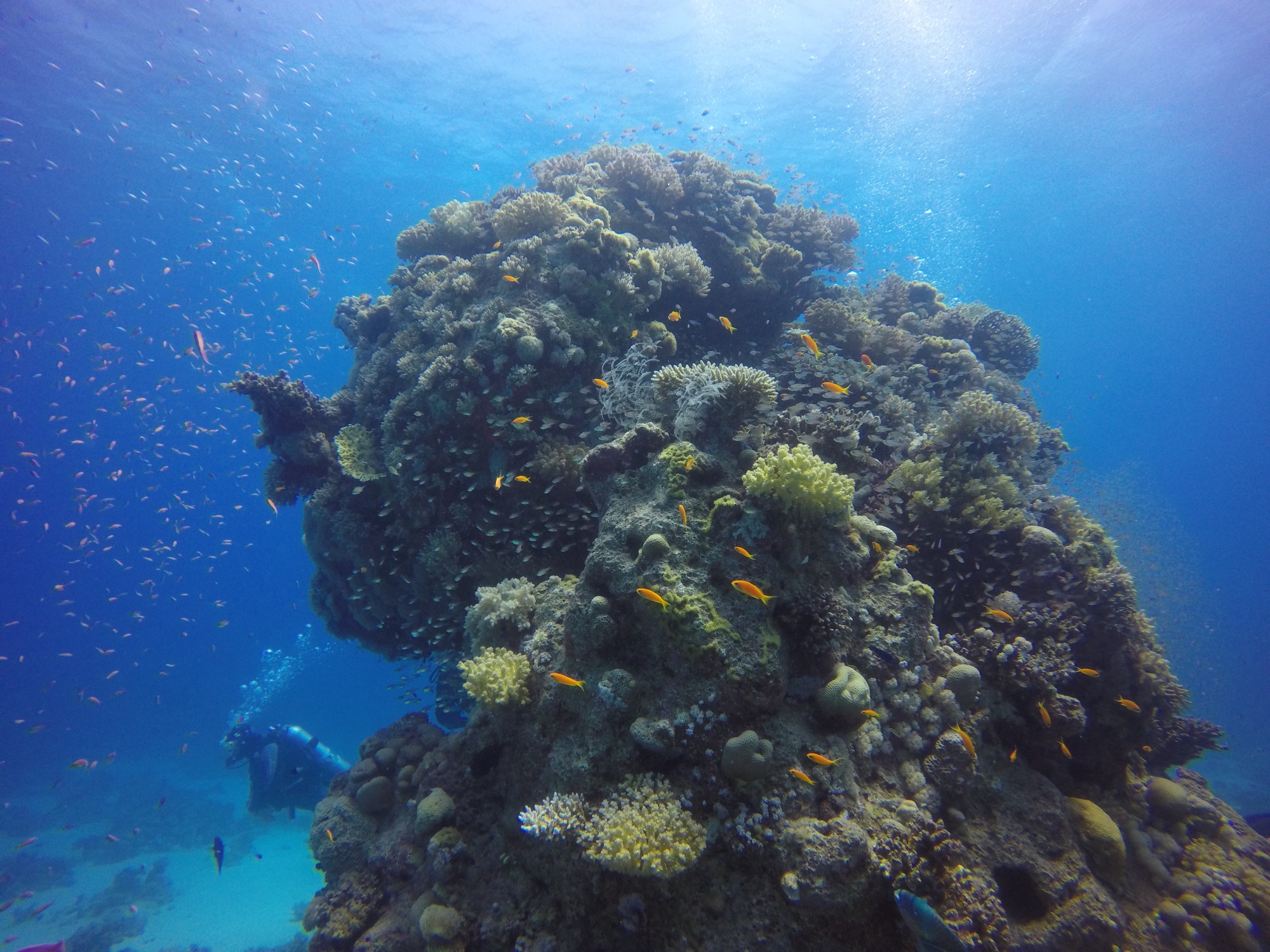
🌍 Session 1
The Blue Planet
Why the ocean matters more than most people realise. An introduction to ocean systems, their scale and their relationship to every form of life on Earth, including ours.
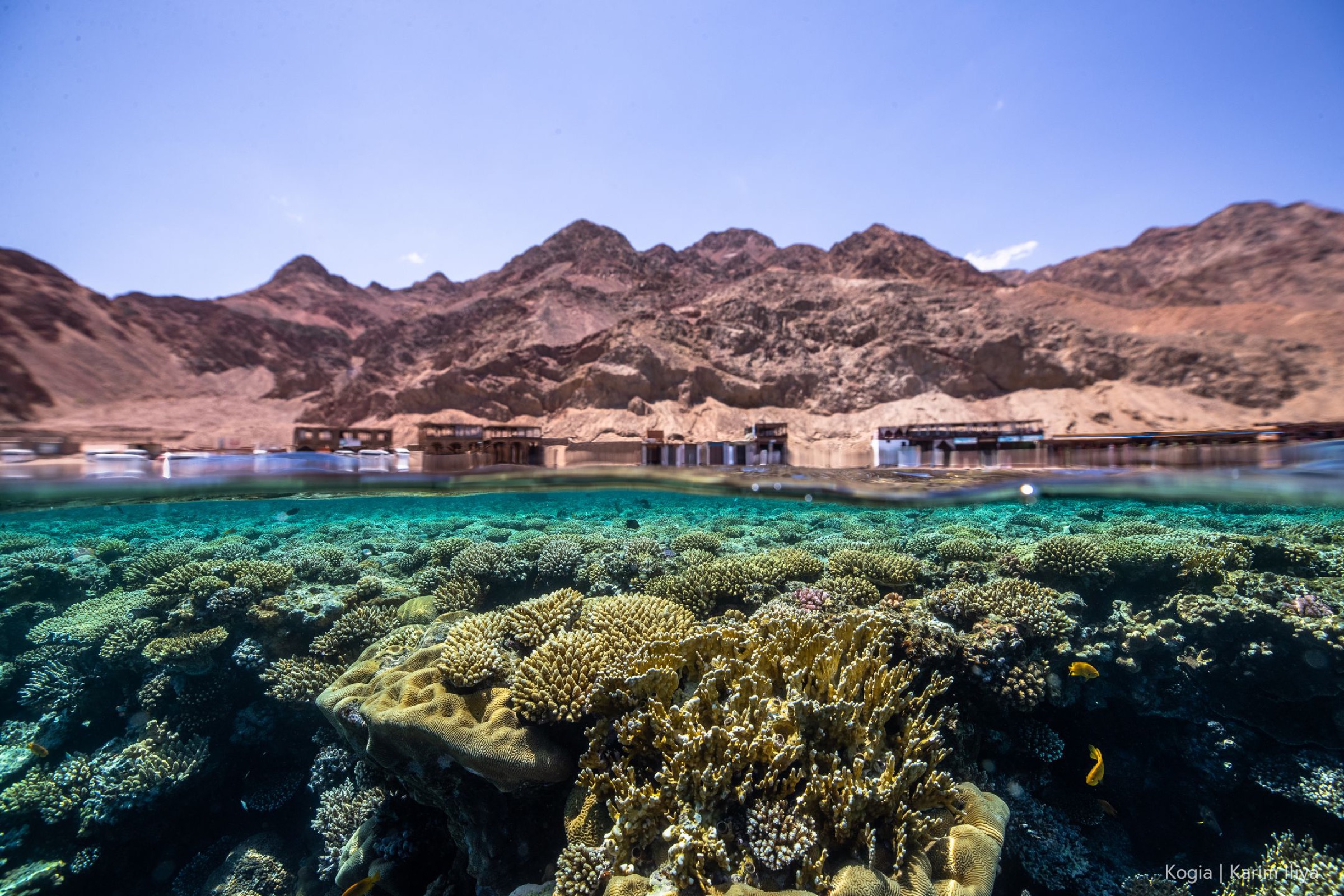
A 10-session ocean science and conservation programme for students aged 13-24. For secondary schools, sixth forms, FE colleges and universities.
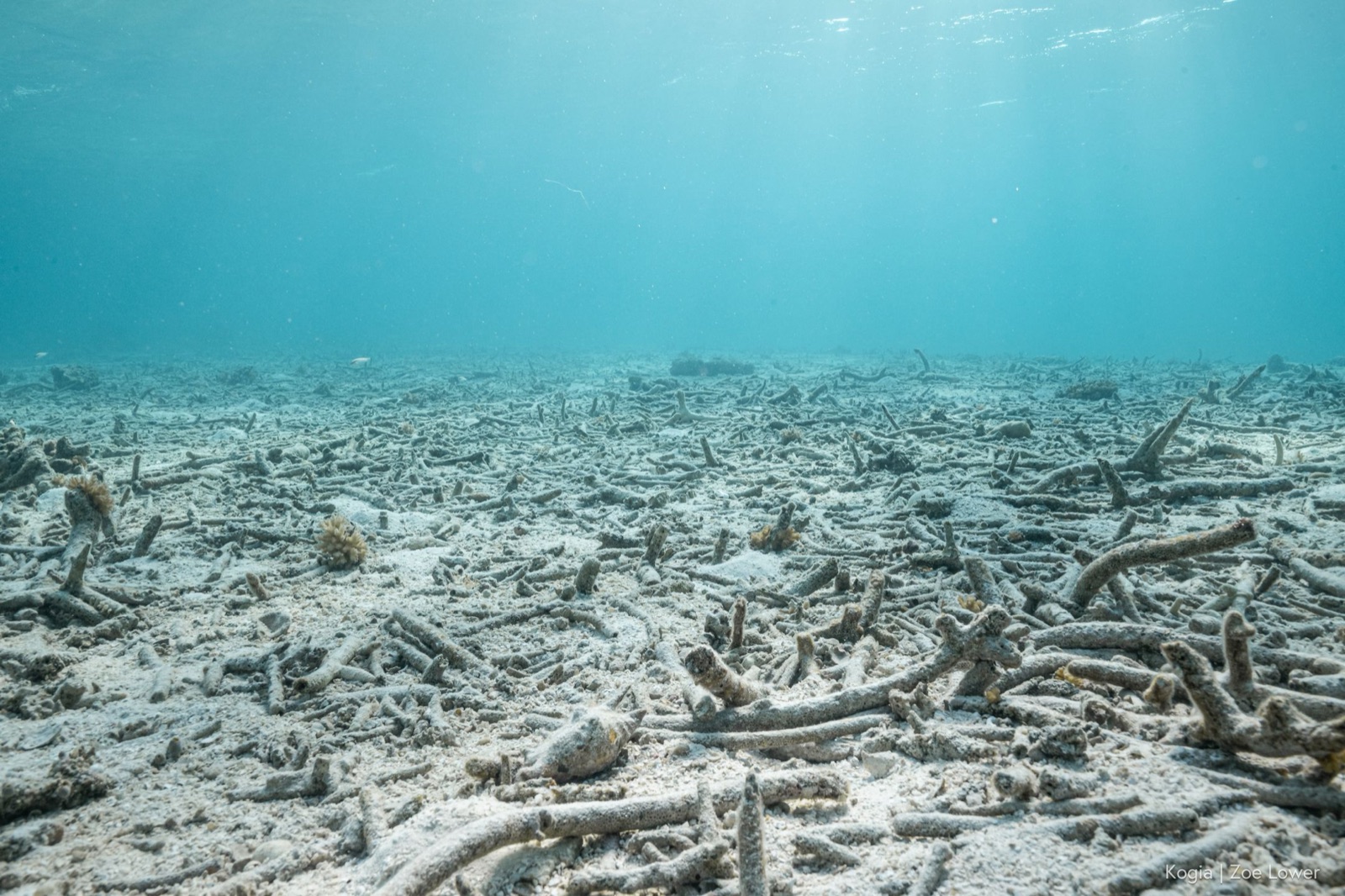
Research shows that students learn more about climate change in primary school than in secondary. By the time young people reach the age where they'll start voting, working and making decisions that affect the planet, the curriculum has largely moved on.
The ocean covers 71% of Earth's surface. It produces more than half of the oxygen we breathe, absorbs the majority of global carbon and heat, and underpins the food systems of billions of people. And secondary school students, on average, spend two weeks studying it.
The Ocean Academy fills that gap. Not with fear. With knowledge.
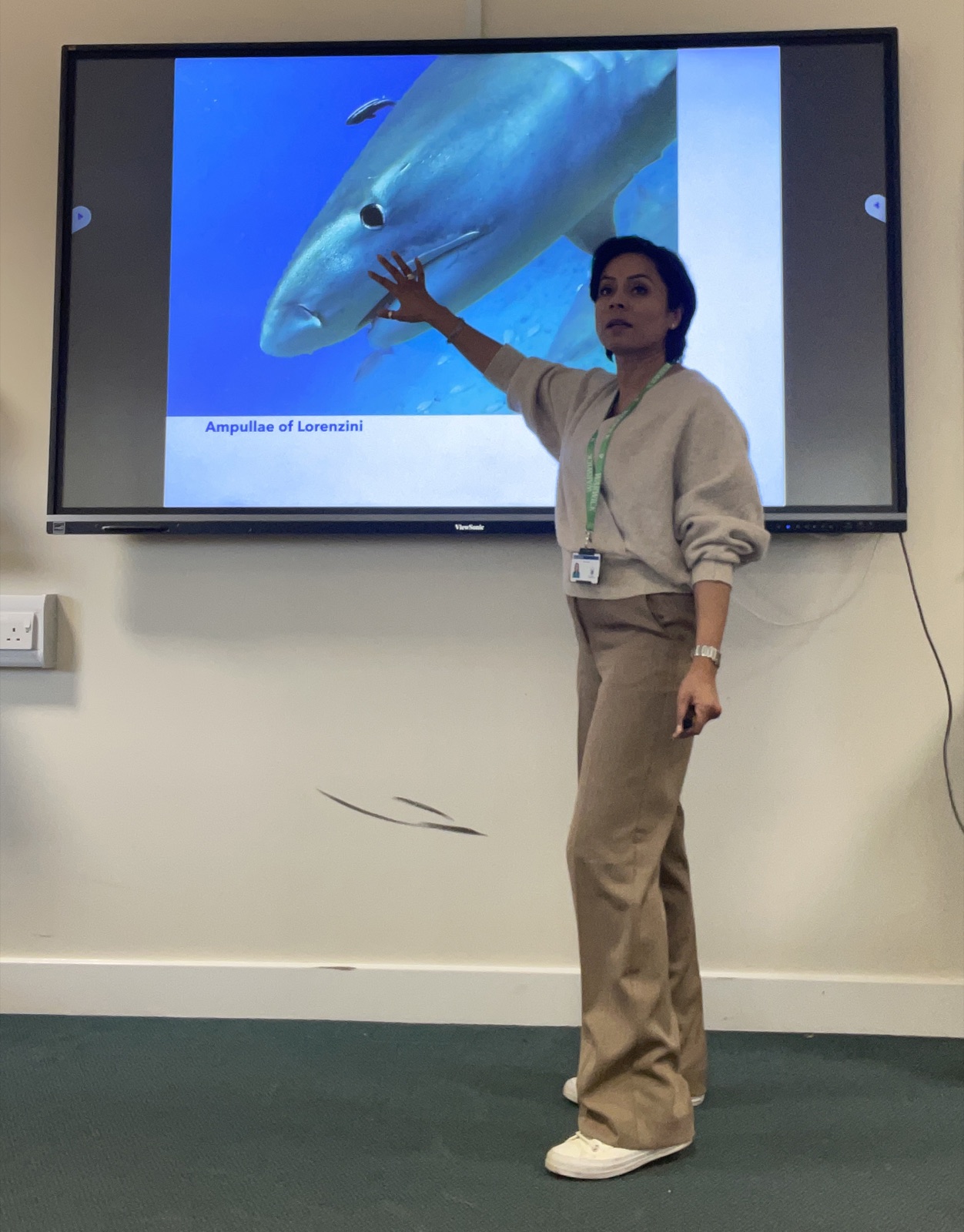
The science speaks for itself. No drama, no spin.
Why the ocean matters more than most people realise. An introduction to ocean systems, their scale and their relationship to every form of life on Earth, including ours.
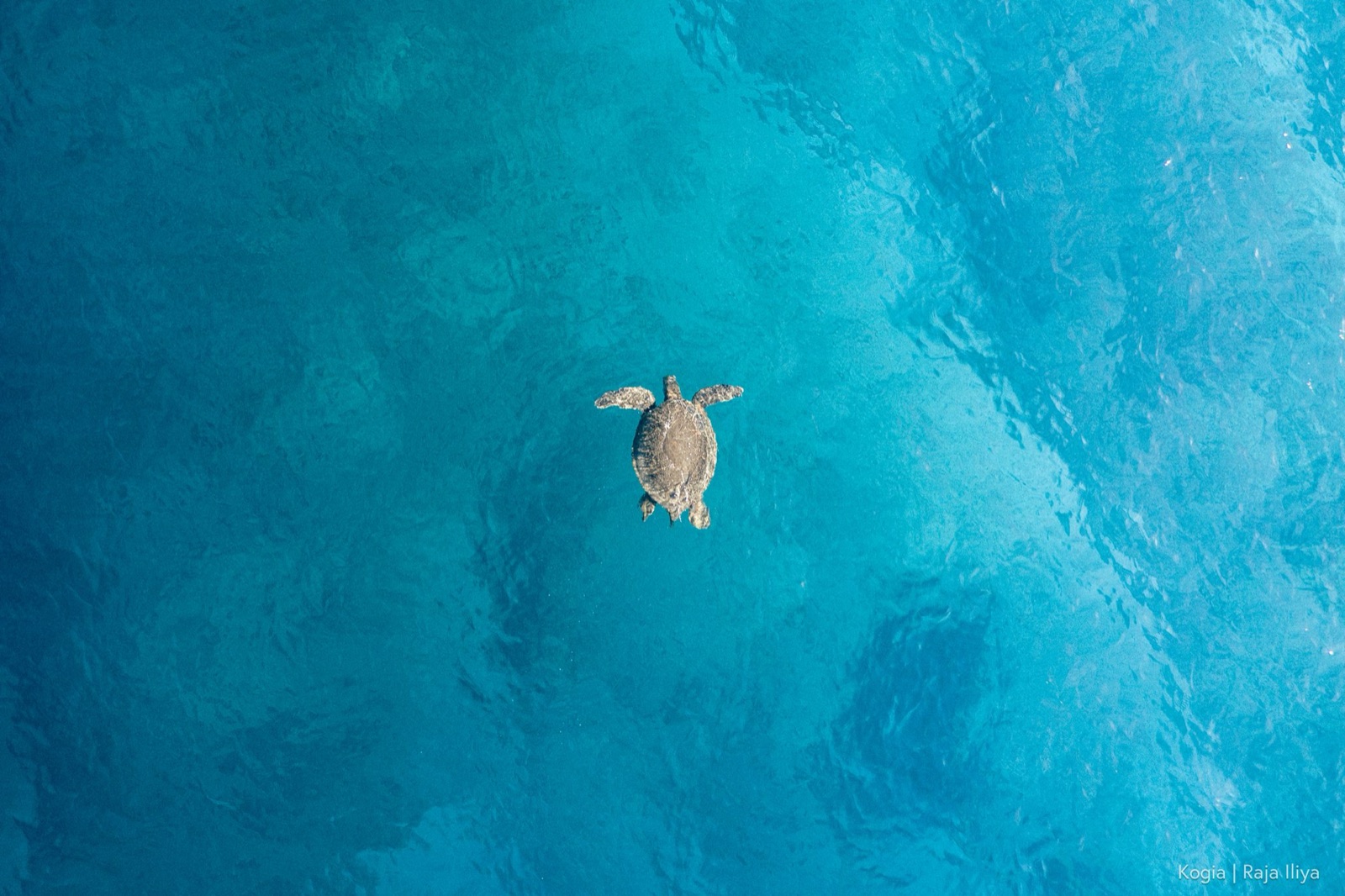
Currents, temperatures, salinity, the deep. The mechanics of the world's largest ecosystem, and why disrupting it has consequences that reach every corner of the planet.
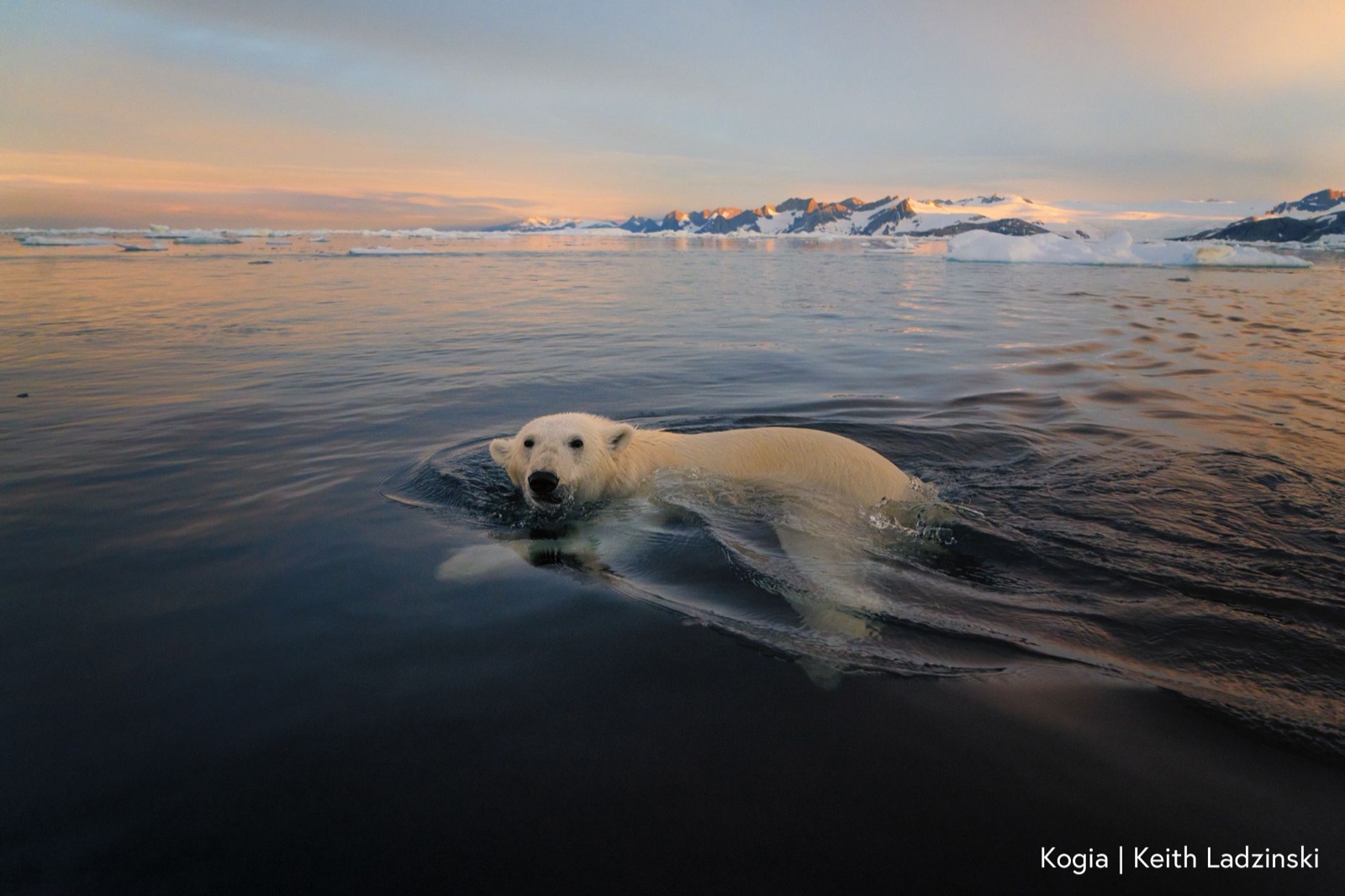
The ocean is Earth's primary climate regulator. This session explains how, and what happens when that regulation begins to break down.
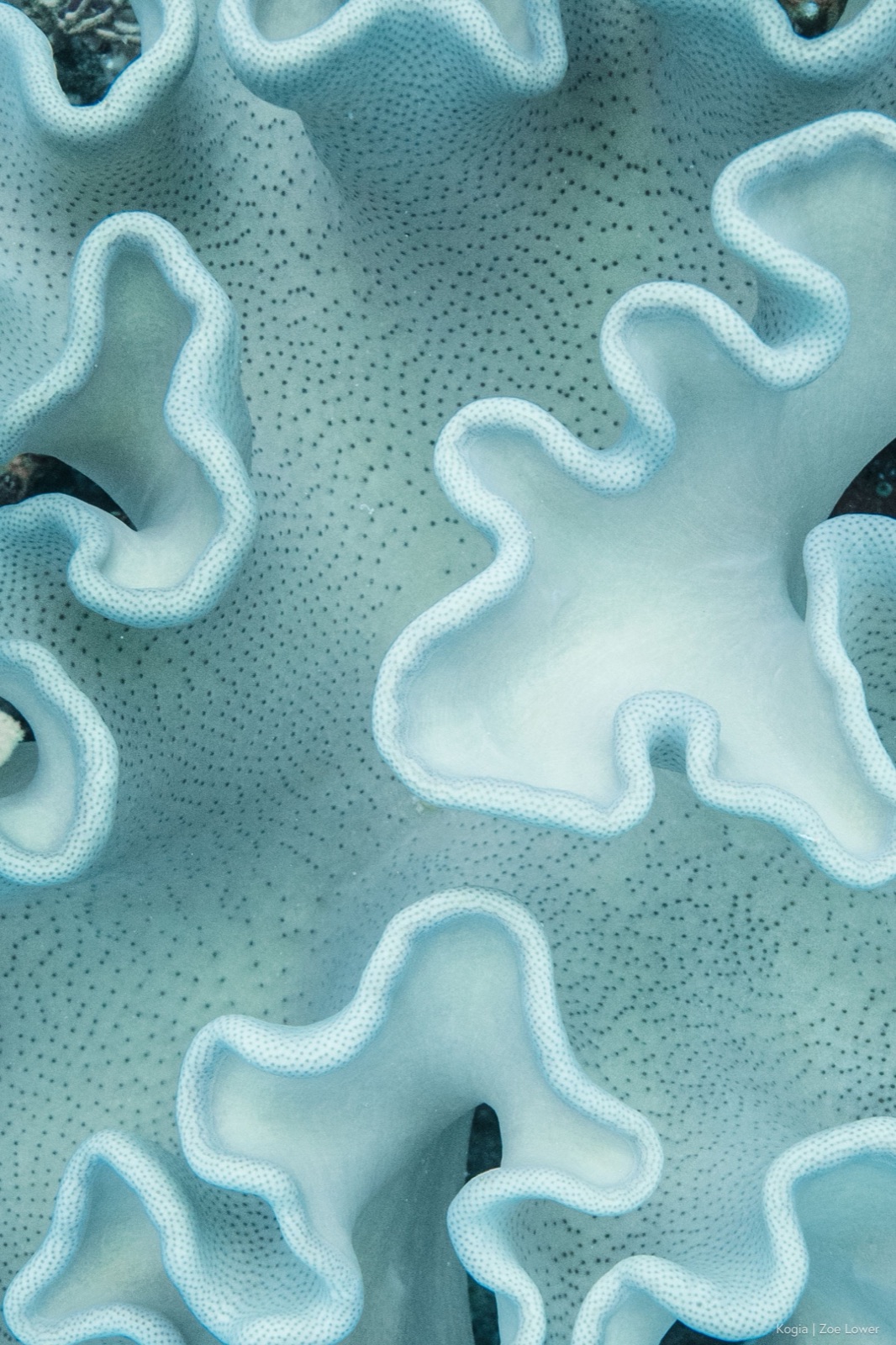
From coral reefs to deep sea vents, ocean biodiversity is extraordinary, fragile and poorly understood. We examine what lives there, what it does and what we stand to lose.
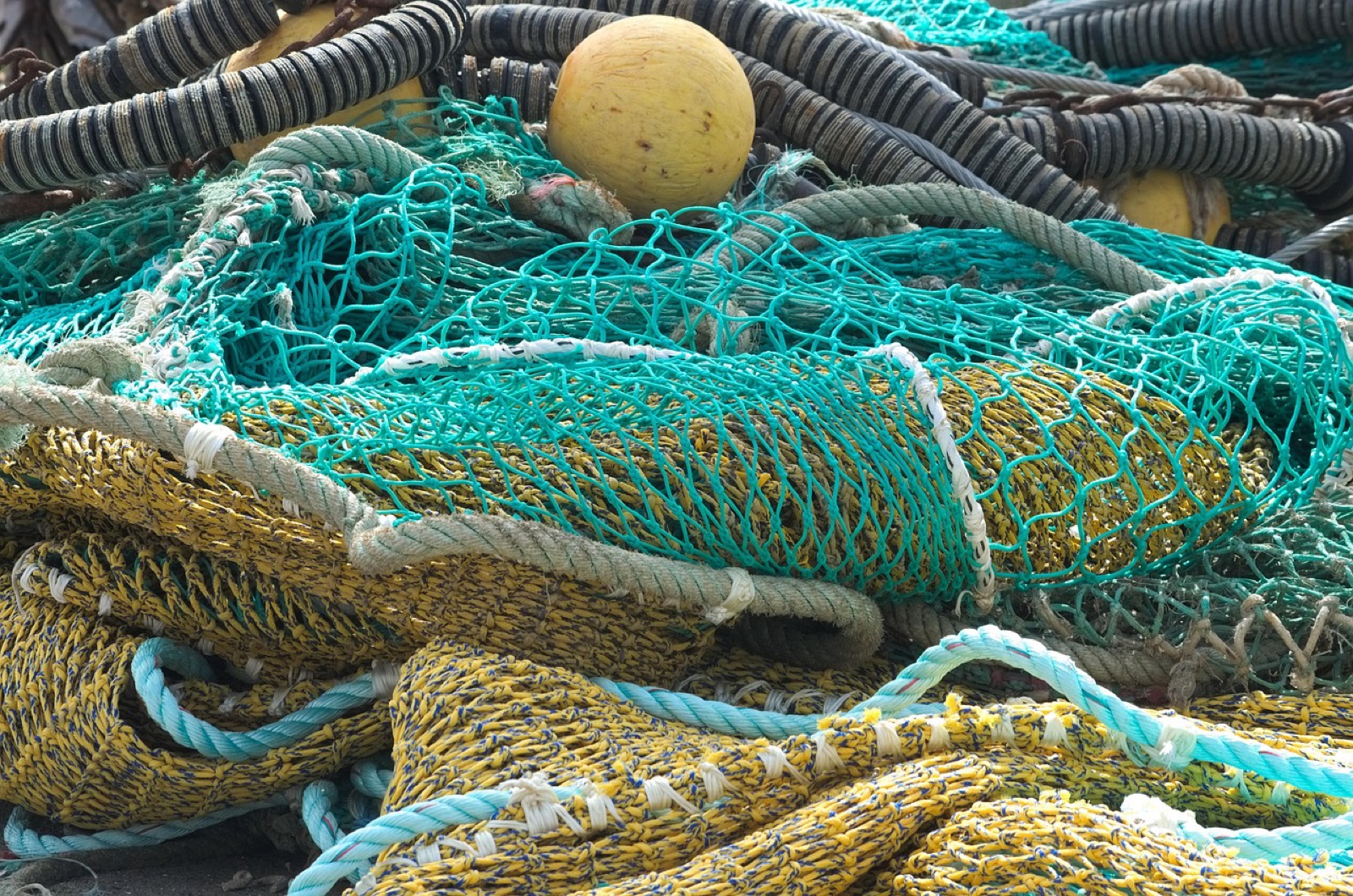
Plastic, overfishing, acidification, noise pollution, deep sea mining. An honest account of what human activity is doing to the ocean, with the data to back it up.
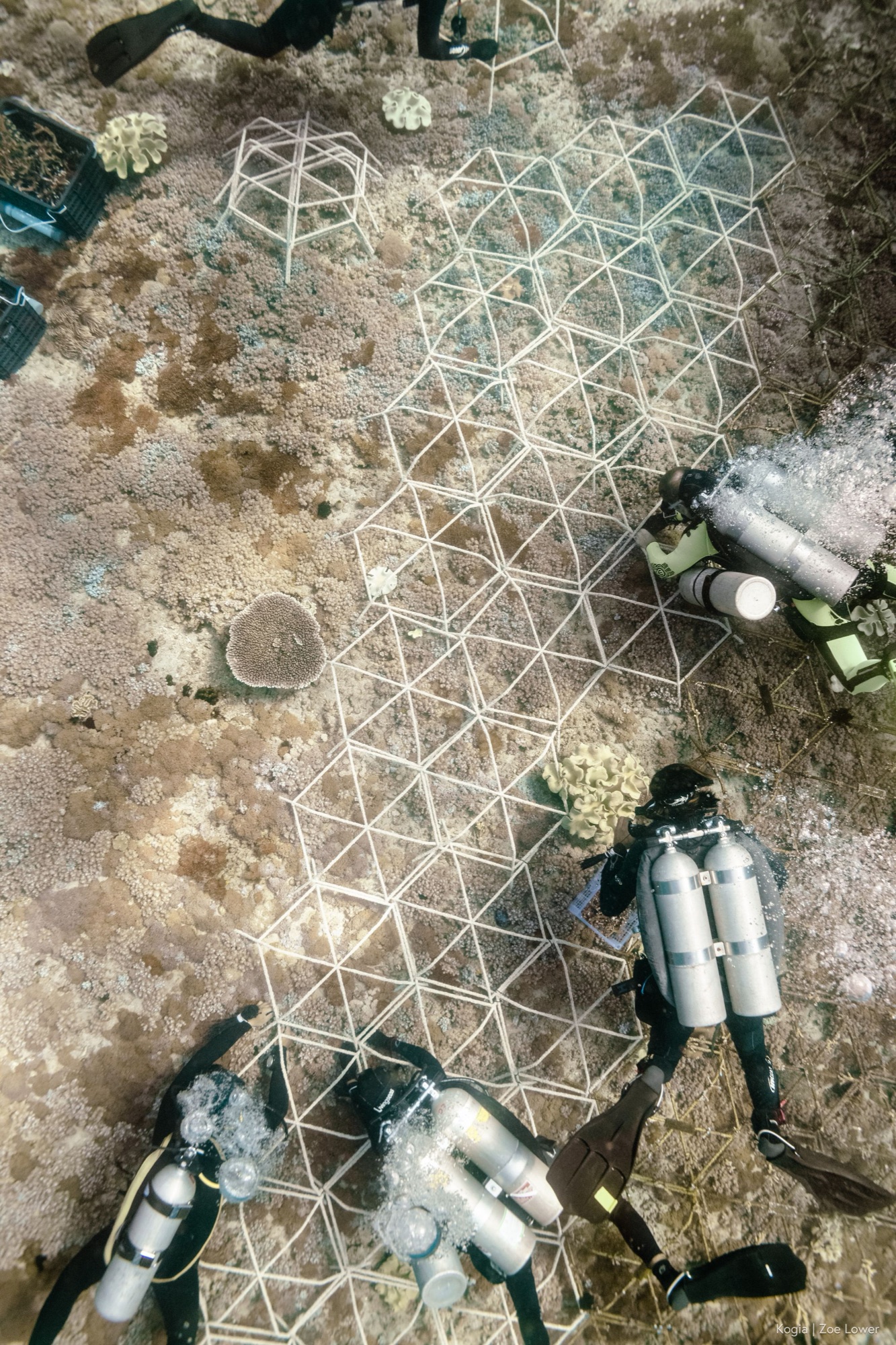
Who is doing the research? What does marine science actually look like? Students meet the real people working to understand and protect the ocean, and learn how science is funded, and who controls the findings.
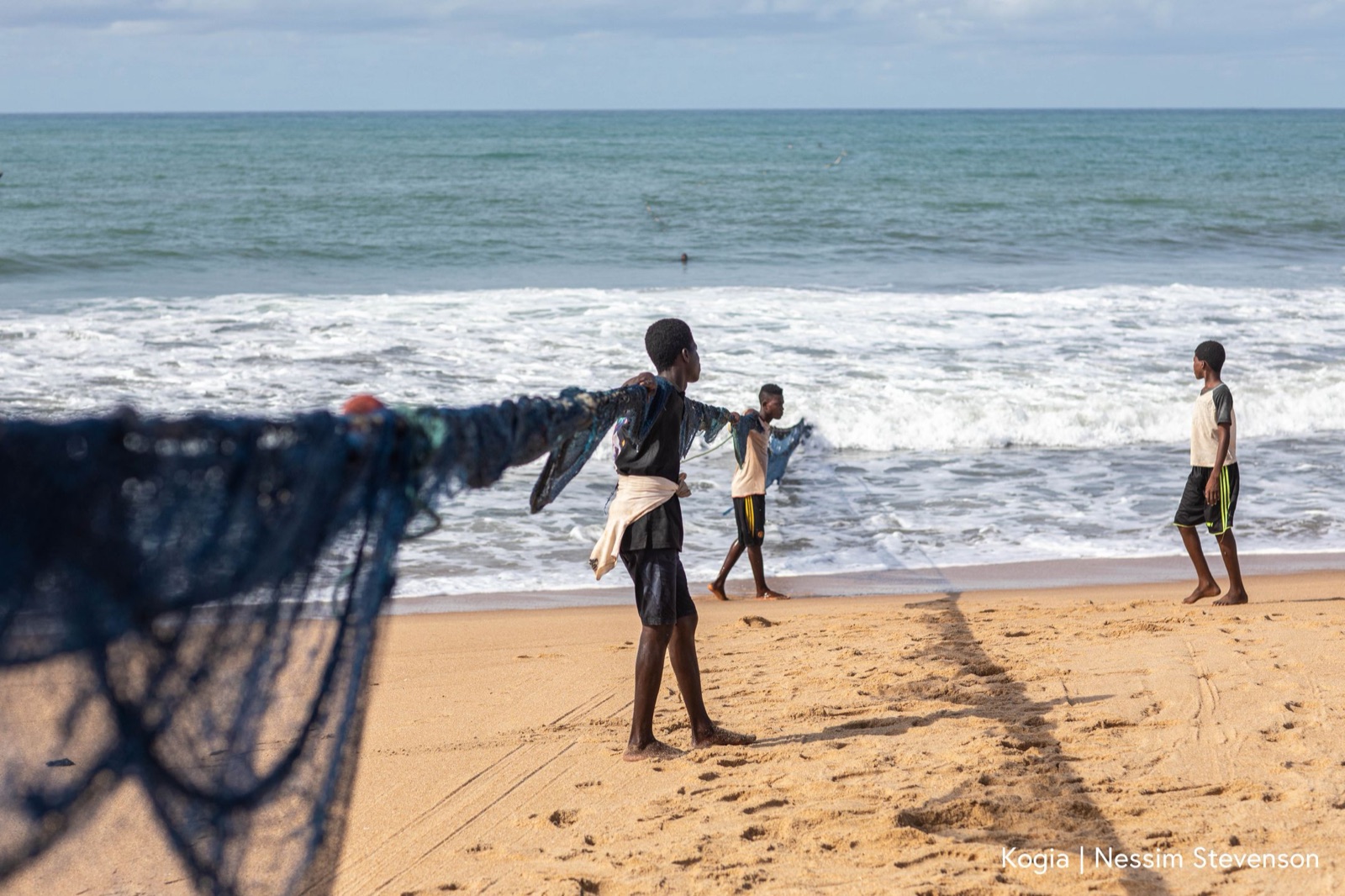
Nature-based systems contribute up to 50% of global GDP. This session examines the blue economy: fishing, shipping, tourism, energy, and the tension between economic activity and ocean health.
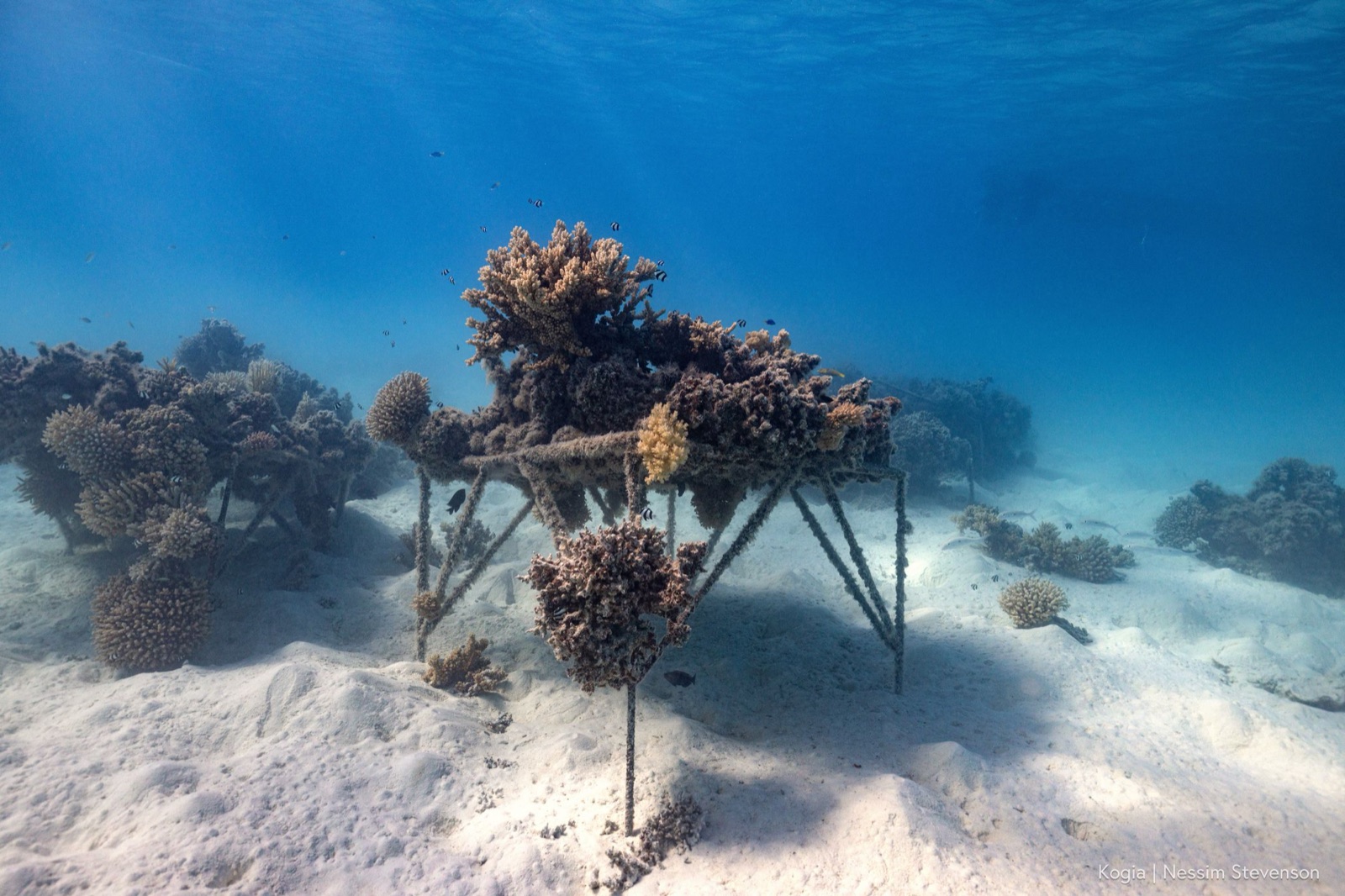
Rewilding, marine protected areas, sustainable aquaculture, carbon capture. What conservation science is actually achieving, and the scale of what's possible with sufficient support.
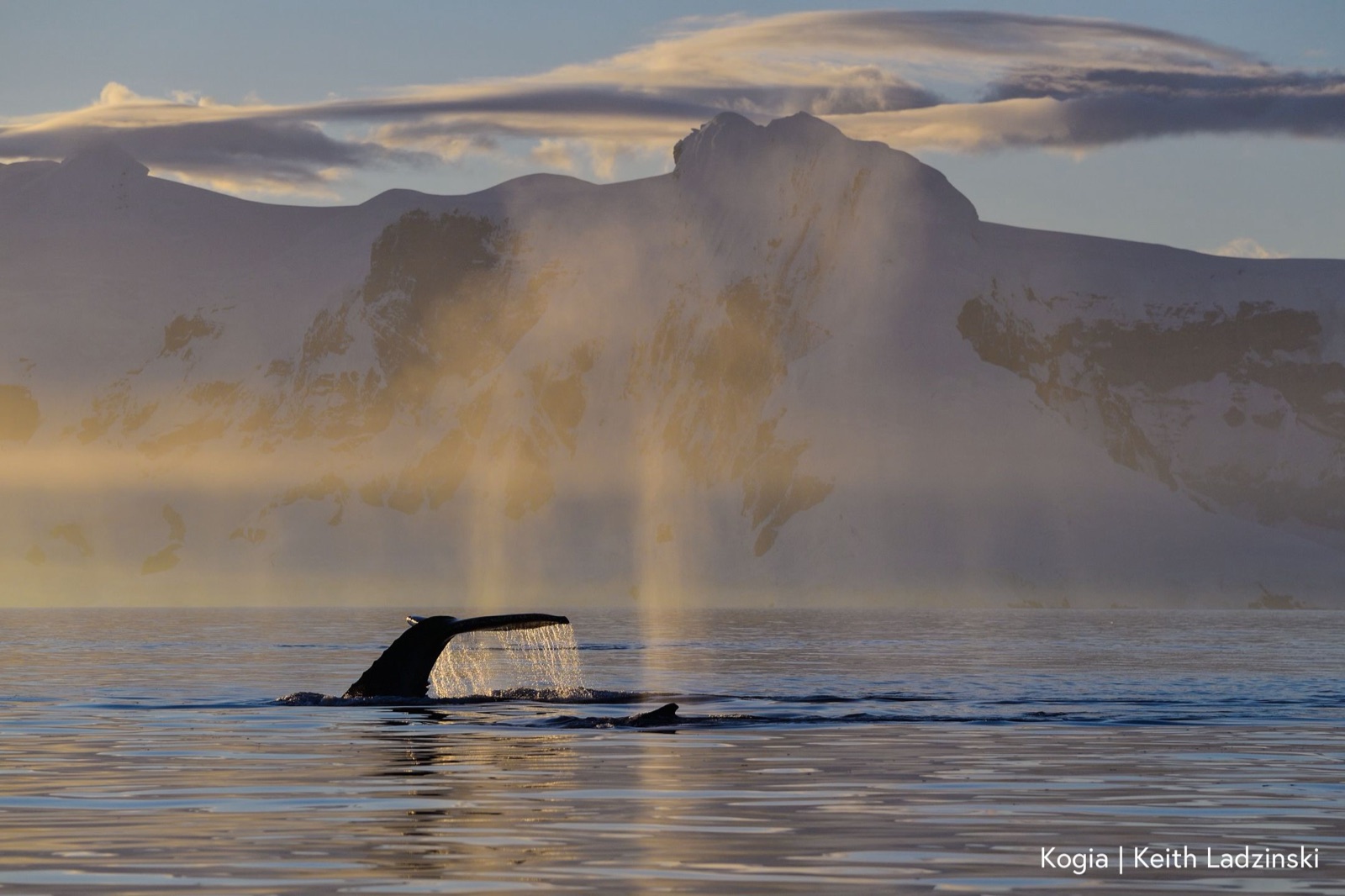
Students learn to use data, argument and communication to advocate for change. They design their own responses to a challenge of their choosing, and learn to present it credibly.
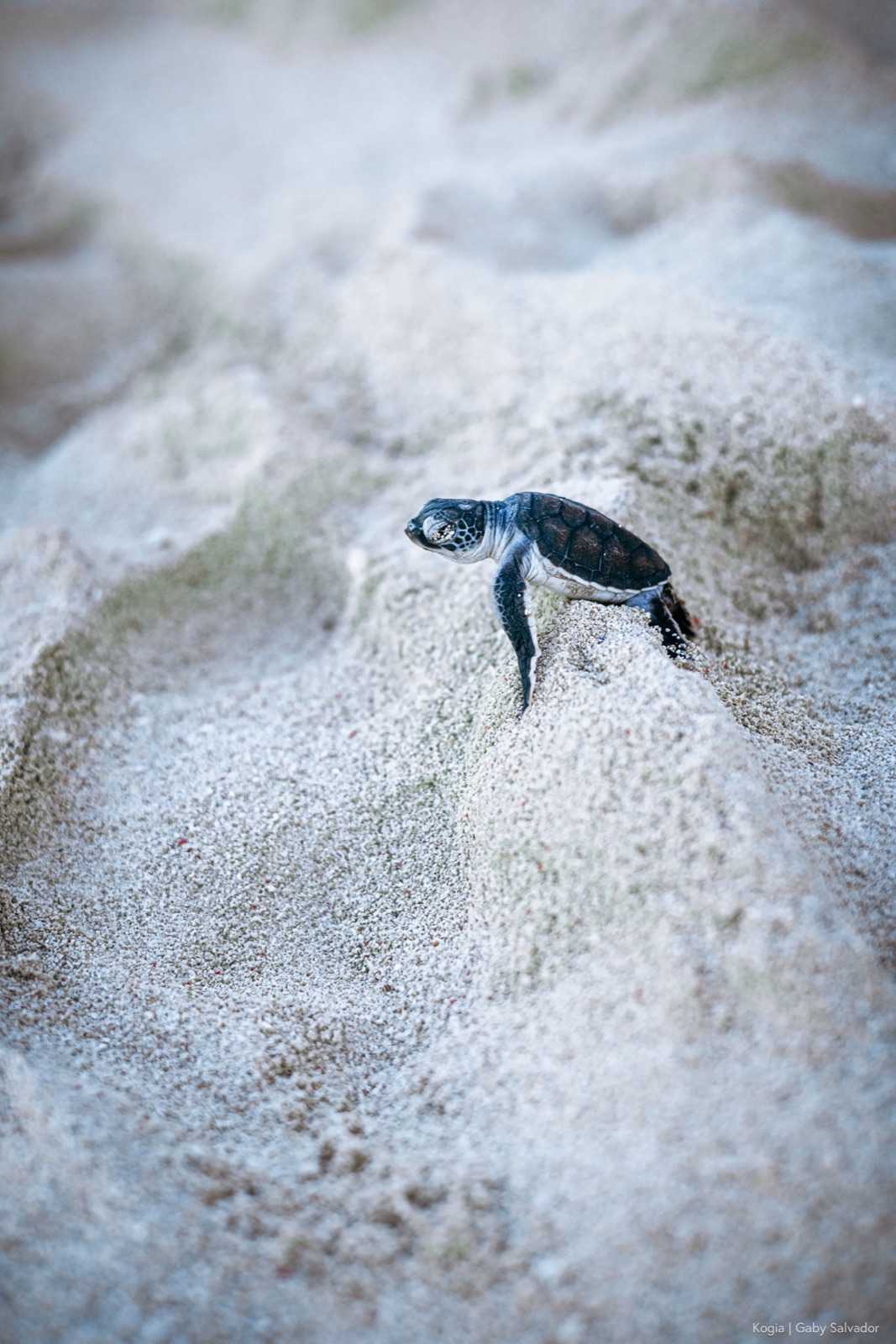
The solutions, the scientists and the stories of recovery. This session exists because there is genuine reason for hope, but we must act now.
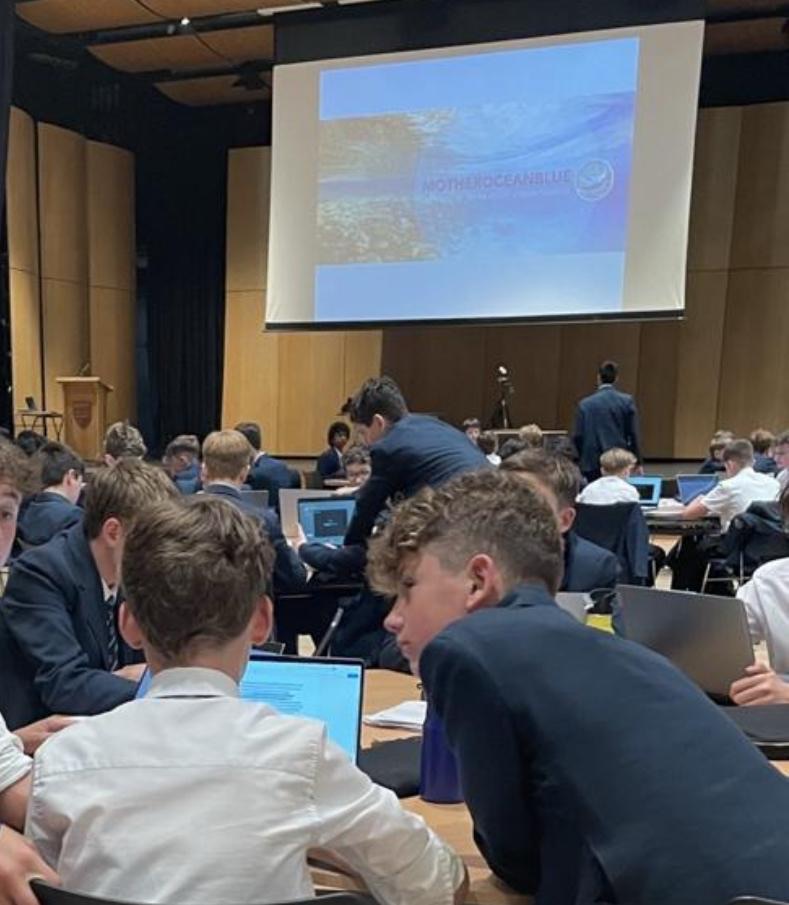
Sessions are delivered by Zakia Rashid, founder of MotherOceanBlue, in person or remotely. Each session is approximately 90 minutes to allow for discussion time. The full programme runs across a term, or can be adapted to fit your school's schedule.
The programme is suitable for GCSE, A-Level, BTEC and undergraduate students. It supports Geography, Biology, Environmental Science and PSHE, but is designed to be curriculum-adjacent, not curriculum-dependent. You don't need a dedicated timetable slot. You need a willing group and an hour.
Tell us your year group and how much time you have. We'll shape the programme to fit, in person or remote.
Prefer email? info@motheroceanblue.org · Or meet Zakia first.
Businesses can fund the Ocean Academy in a school of their choice as part of a structured CSR partnership. The school gets the programme. Your business gets its name attached to something lasting and measurable.